
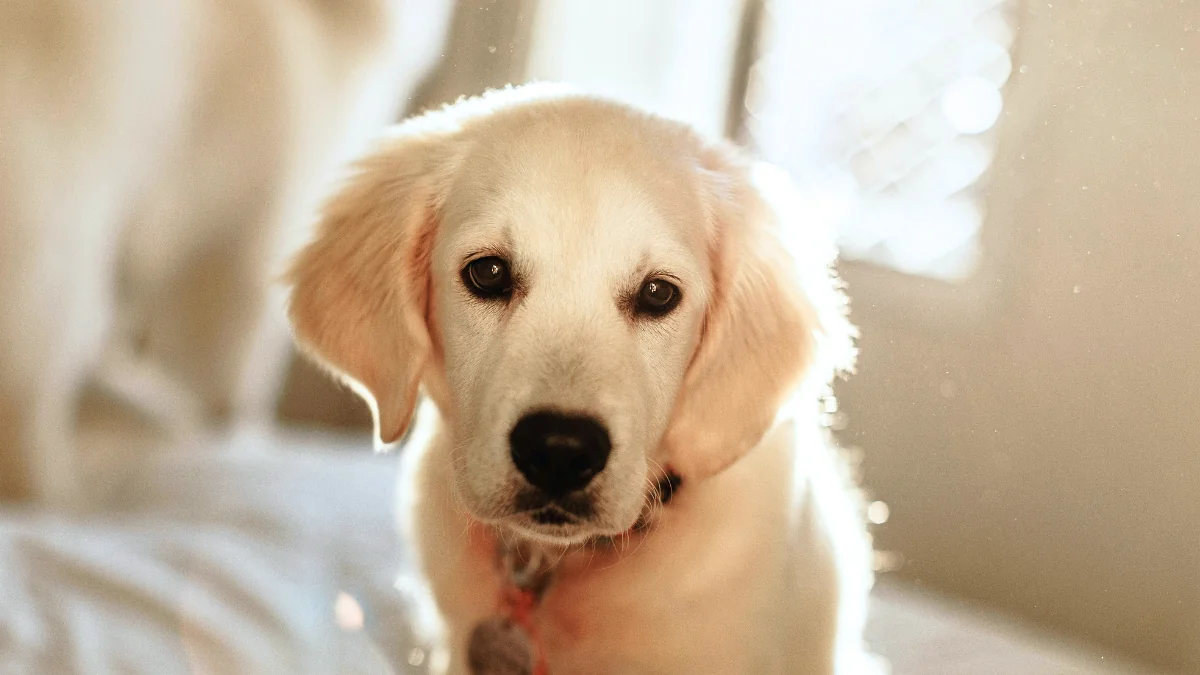
Bringing a puppy home is exciting, but the first week can feel messy fast. A calm new puppy checklist helps you focus on what matters first: safety, food, potty breaks, sleep, and gentle bonding.
You do not need every cute product before day one. You need a few smart systems that keep your puppy safe, lower stress, and make daily care easier.
The first week is not about perfect training. It is about helping your puppy learn where to rest, where to potty, what to chew, and who to trust.
Table of Contents
Why This Matters
A new puppy checklist works best when it organizes the first few days, not the next six months. Puppies learn through routine, scent, repetition, and safe limits.
If the house is too open, too loud, or too unpredictable, accidents and chewing become harder to manage. A good first-week plan can mean fewer potty accidents, safer chewing, better sleep, easier feeding, and calmer vet visits.
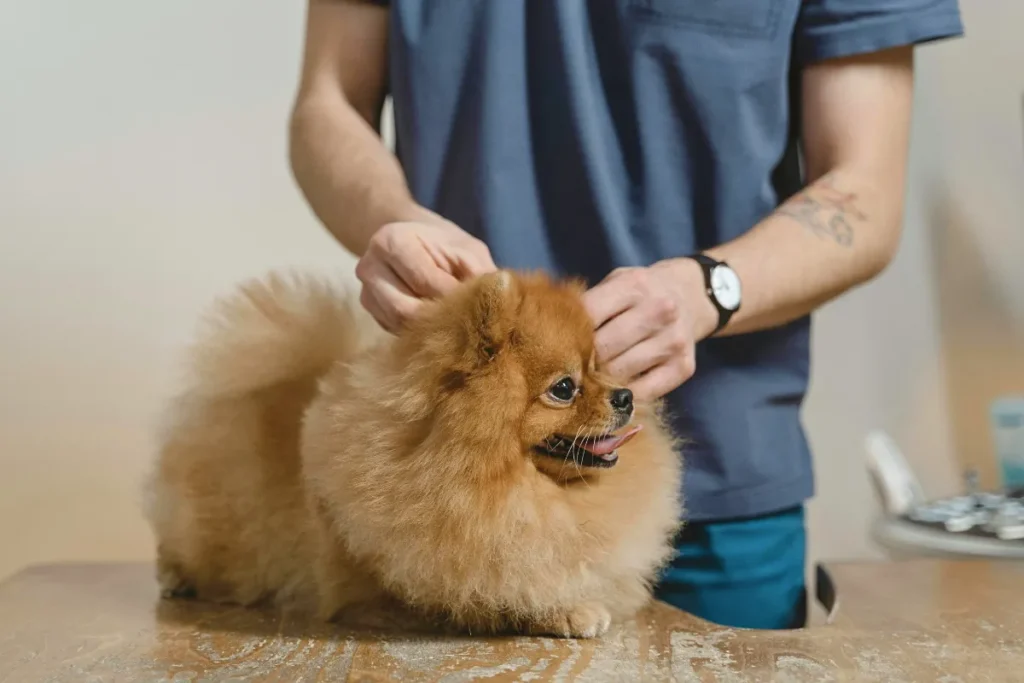
The AVMA recommends scheduling a veterinary exam as soon as possible after getting a new dog, so your vet can check health, vaccines, and prevention needs.
Your First-Week New Puppy Checklist
1. Set Up a Safe Puppy Space
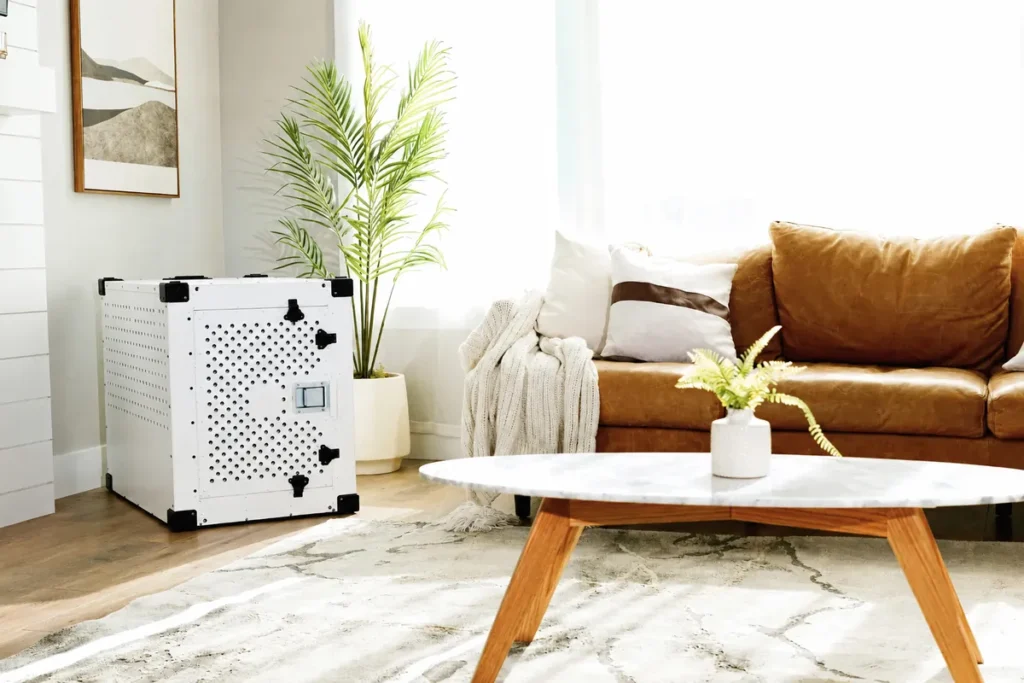
Your puppy should not have full access to the home on day one. A small puppy space makes the home easier to understand and helps reduce accidents, chewing, and overwhelm.
Use a crate, playpen, gated kitchen area, laundry room, or quiet corner near where your family spends time.
Checklist:
- Choose one easy-to-clean area with a bed, water bowl, and chew toy.
- Keep cords, shoes, bags, and trash out of reach.
- Use treats and meals to make the area feel positive.
This new puppy checklist starts with space because too much freedom early on can cause many first-week problems.
For a more permanent setup, a cozy dog room can help keep your puppy’s rest area calm, clean, and easy to manage.
2. Buy the New Puppy Essentials
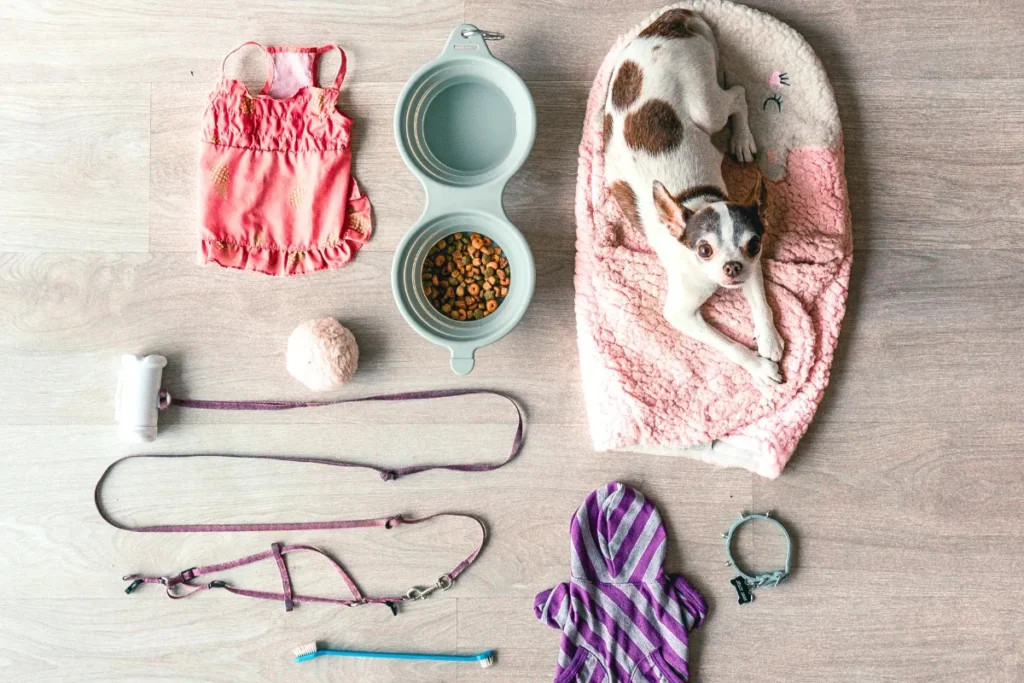
A new puppy shopping list can get long, but the first week only needs the basics. Focus on supplies that support safety, feeding, potty training, sleep, and calm play.
Start with the things needed for new puppy care at home, then add cute extras later.
Checklist:
- Get puppy food, bowls, collar or harness, leash, ID tag, crate or pen, bed, chew toys, treats, poop bags, and enzyme cleaner.
- Ask what food your puppy has been eating.
- Store everything in one basket or bin.
A simple puppy supplies checklist is better than buying too much before you know your puppy’s size, chewing style, and routine.
A basic pet odor routine also helps the home stay fresher while your puppy is still learning.
3. Do a Full Puppy-Proofing Sweep
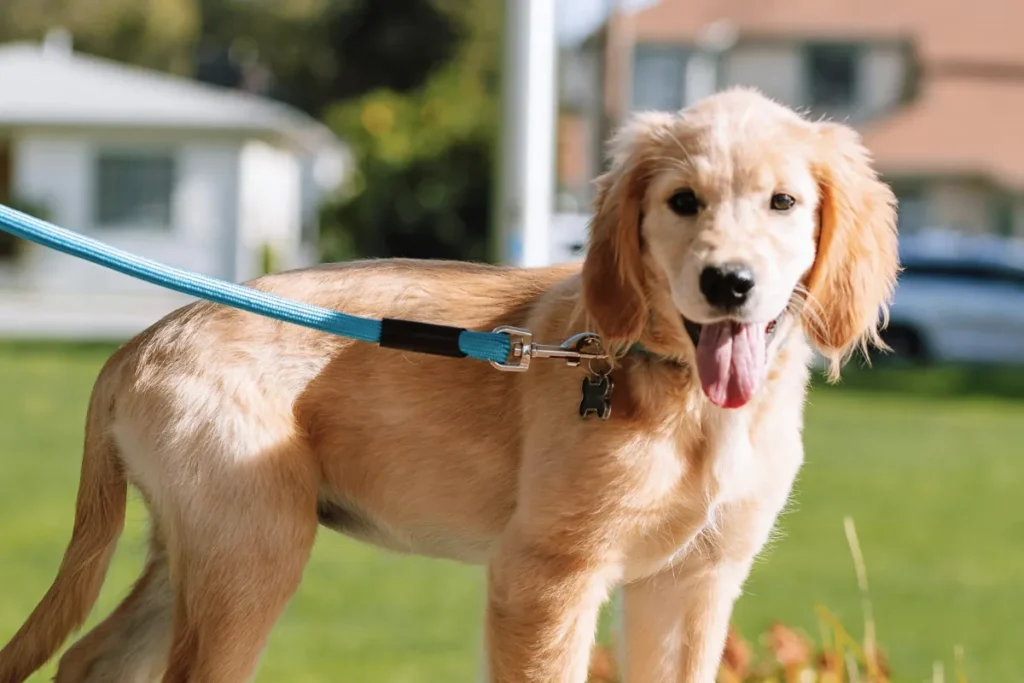
Puppies explore with their mouths, so the home needs a floor-level safety check. Do this before pickup day, then repeat it after your puppy arrives.
A puppy proofing checklist should cover every room your puppy can reach, not just the floor.
Checklist:
- Get down low and scan from puppy height.
- Hide cords and move medications, cleaners, candles, socks, and kid toys.
- Secure trash cans, cabinet doors, and houseplants.
Do not forget coffee tables, low shelves, bags, and open laundry baskets. Puppies often find the one thing you forgot.
Low cleaning products are easy to miss, so locked under-sink storage can make puppy-proofing much easier.
4. Keep Food Consistent the First Week
Food changes can upset a puppy’s stomach, especially during a stressful move. Keep the same food at first unless your vet tells you otherwise.
This helps you notice what is normal for appetite, stool, and energy during the first few days.
Checklist:
- Ask exactly what food and amount your puppy has been eating.
- Use measured meals in the same quiet spot.
- Keep fresh water available and ask your vet before major food changes.
Do not switch foods on day one because the new bag looks better. Your new puppy checklist should protect your puppy’s routine before changing it.
5. Create a Potty Plan From Day One
Potty training starts the moment your puppy comes home. The goal is not perfection. The goal is timing, supervision, and quick rewards.
Choose one potty spot and one exit door when possible. This makes the pattern easier for your puppy to learn.
Checklist:
- Go out after waking, eating, drinking, playing, and naps.
- Use the same door and same outdoor area.
- Reward right away and clean accidents with an enzyme cleaner.
Never punish accidents. Clean them, adjust the schedule, and make the next success easier.
For repeat indoor accidents, the right enzyme cleaner can help remove urine odor instead of just covering it.
6. Make the First Night Calm
The first night can be hard because your puppy has left familiar smells, siblings, and routines. A predictable sleep setup helps your puppy settle without making the night chaotic.
Place the crate or bed near you at first if that helps your puppy feel less alone.
Checklist:
- Keep the evening calm and offer a final potty trip before bed.
- Put a washable blanket in the sleep area.
- Make overnight potty breaks boring and quiet.
Avoid moving the sleep spot every night. Consistency helps your puppy learn what bedtime means.
7. Use Chews, Toys, and Rewards Wisely
Puppies need safe ways to chew, bite, sniff, and settle. A few good toys are more useful than a pile of random ones.
The best week-one toys are easy to watch closely and simple to rotate.
Checklist:
- Offer three or four toy textures.
- Use tiny treats for calm behavior.
- Remove toys that break, fray, or become too small.
Chews and rewards help your puppy learn what to do instead of only hearing “no.”
Once your puppy is allowed near the couch, a simple pet hair cleanup routine can keep the furniture easier to manage.
8. Plan the First Vet Visit and Gentle Socialization
The first week should include a vet appointment and a calm exposure plan. You do not need busy parks or dog meetups right away.
A first-week puppy socialization checklist should focus on safe, positive exposure to sounds, surfaces, people, handling, and short car rides.
Checklist:
- Book a vet visit in the first few days and bring records, food details, and questions.
- Ask about vaccines, parasite prevention, microchip records, and diet.
- Introduce visitors slowly and avoid unknown dogs until your vet says it is appropriate.
This part of the new puppy checklist should stay calm. Exposure only helps when your puppy feels safe enough to recover and relax.
What NOT to Do
Small mistakes can make the first week harder than it needs to be.
- Do not give full-home freedom too soon. Too much space makes potty training, chewing, and supervision harder.
- Do not overwhelm your puppy with guests. Keep greetings short, calm, and positive.
- Do not change food quickly. Ask your vet if you need a transition plan.
- Do not skip ID. A collar tag and correct microchip details matter if your puppy slips out.
- Do not expect perfect behavior. Your puppy is learning a new home, new people, and new rules.
Extra Tips to Make It Easier
Small systems make puppy care feel less scattered. Set them up before the week gets busy.
- Keep one puppy station near the main door with poop bags, treats, leash, wipes, and a towel.
- Use a written schedule for meals, naps, potty breaks, and bedtime.
- Rotate toys instead of leaving everything out at once.
- Take photos of vet records and microchip information.
Rainy potty trips can bring wet dog smell inside, so it helps to dry your puppy before the smell spreads.
How to Keep the Routine Going After Week One
A good first week should turn into a simple rhythm.
- Keep the puppy space for a while. Add freedom slowly as your puppy handles each space well.
- Restock supplies weekly. Check treats, bags, cleaner, and food before they run out.
- Adjust potty timing as your puppy grows. Longer gaps come later, not immediately.
- Keep socialization calm and positive. Short exposures are better than stressful outings.
- Review the plan after seven days. Keep what worked and simplify what did not.
For more everyday routines after the first week, our pet care tips guide can help you build simple habits that are easier to keep.
Frequently Asked Questions (FAQ)
What should I buy before bringing a puppy home?
Start with food, bowls, collar or harness, leash, ID tag, crate or pen, bed, safe toys, treats, poop bags, and enzyme cleaner. These are the main new puppy essentials for the first week.
How often should I take my puppy outside?
Take your puppy out after sleep, meals, drinking, play, and naps. Young puppies need frequent chances, so plan for more trips than you expect.
Should my puppy sleep in my room the first week?
Many puppies settle better when they sleep near you at first. You can adjust slowly as your puppy gains confidence.
Can visitors meet my puppy in the first week?
Yes, but keep it calm and short. Too many people at once can overwhelm a puppy who is still adjusting.
When should I schedule the first vet visit?
Schedule it within the first few days if possible. Bring records and ask about vaccines, parasites, food, and microchip records.
What is the biggest mistake new puppy owners make?
The biggest mistake is giving too much freedom too soon. A small safe space and patient supervision make the first week much easier.
Final Tips
A new puppy checklist is not about buying every possible product. It is about building a calm first week with fewer risks and clearer routines.
Start with space, safety, food, potty timing, sleep, chews, ID, and vet care. Those eight areas cover the biggest first-week needs without making the process feel too big.
Keep your expectations gentle. Your puppy does not need to be perfect. Your job is to make the next good choice easy.
Conclusion
The first week at home is smoother when your plan is calm, simple, and realistic. Use this new puppy checklist to set up the home, protect your puppy, and build routines that your family can actually keep.