
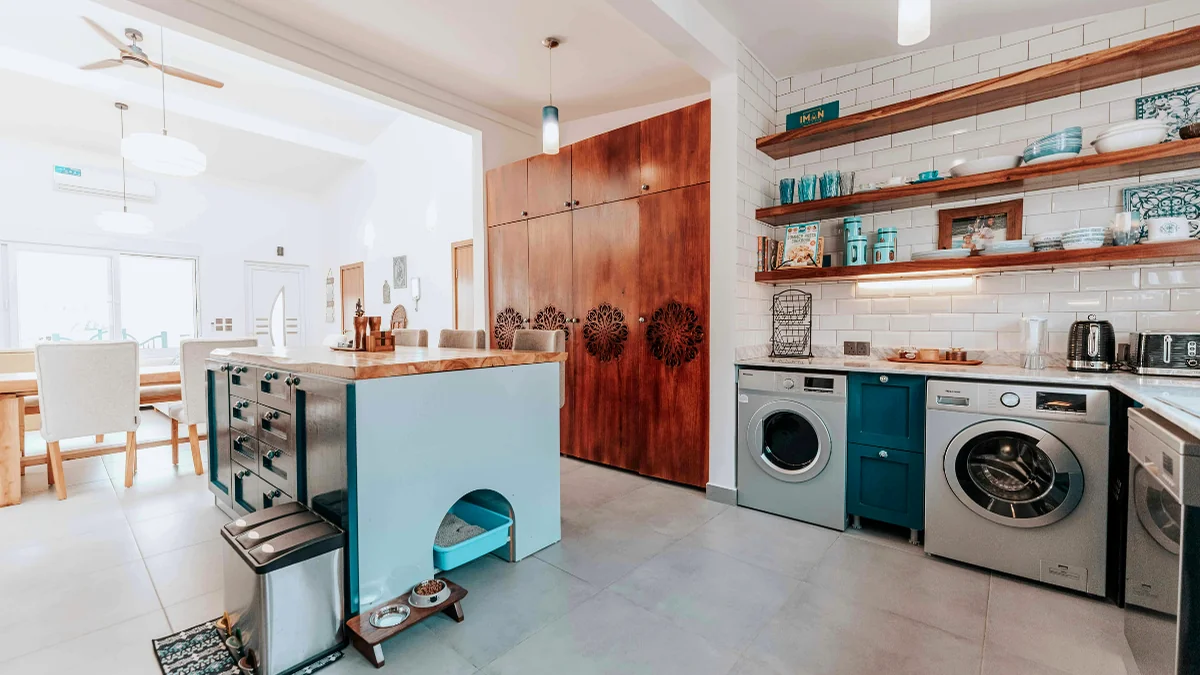
A dog room does not have to be a full spare bedroom or a custom built-in project. The best dog room ideas start with one simple goal: give your dog a calm place while keeping daily mess easier to control.
A good pet space should make life easier for both of you. It can hold the bed, bowls, leashes, toys, towels, treats, and cleanup supplies without letting them spread across the whole house.
The room also needs to feel safe and comfortable. A beautiful setup will not work well if the floor is slippery, the bed is hard to wash, or the space feels too closed in.
Table of Contents
Why a Dog Room Helps
A dog room gives pet supplies a home and gives your dog a clear place to rest. It can also reduce muddy paw prints, scattered toys, food spills, and bedding odor because everything has a planned zone.
The most useful dog room ideas solve real daily problems, not just decorating goals. Maybe your dog tracks dirt through the entryway, needs a quieter sleeping spot, or has toys and leashes spread across several rooms.
A good setup can help with less clutter near doors, easier cleanup after walks, calmer rest, better storage, and a home that still feels tidy. The American Kennel Club notes that a crate should be large enough for a dog to stand, turn around, and lie down comfortably, which is a useful rule for any enclosed dog nook or sleep zone.
A broader pet odor prevention routine can help keep the rest of your home feeling fresher too.
Choose the Best Dog Room Location
The best indoor dog room ideas start with choosing the right location. Before buying beds or baskets, decide where your dog naturally settles and where cleanup makes the most sense.
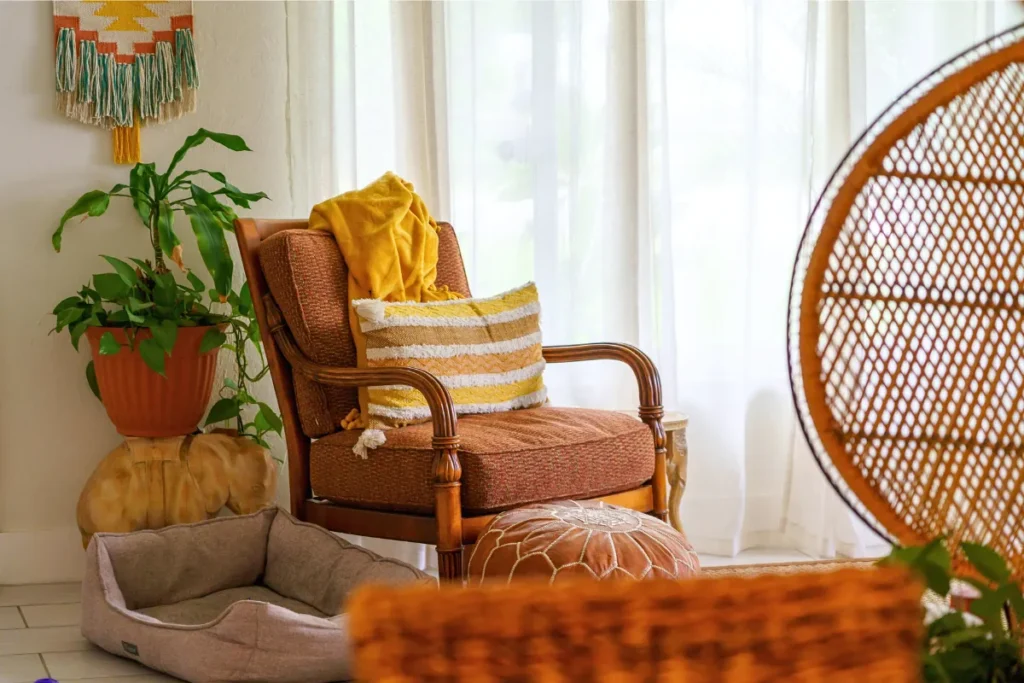
A mudroom or laundry room is great for dogs that come in with wet paws, muddy fur, or outdoor gear. These spaces often have hard floors, hooks, storage, and easier access to towels or a utility sink.
A spare bedroom, office corner, or quiet hallway nook works better for dogs that need a peaceful place to nap. Choose a spot that is low-traffic, but not so isolated that your dog feels separated from the family.
The best dog room ideas create clear zones for sleeping, feeding, toys, walk gear, and cleanup. These zones make the room feel designed instead of like a pile of pet supplies.
Once the location is set, pet home hacks can help you plan the smaller details.
Dog Bedroom Ideas for a Calm Sleep Zone
Dog bedroom ideas should focus on rest first and style second. A soft bed, a quiet corner, and familiar smells will usually matter more to your dog than a perfect color palette.
Choose the bed based on your dog’s size, age, and sleep style. A dog that curls up may like a bolster bed, while a large or senior dog may need a thicker orthopedic bed with a washable cover.
If your dog already uses a crate, make it part of the room rather than hiding it awkwardly. Keep it well ventilated, easy to clean, and sized so your dog can rest comfortably.
For a cozier sleep zone, add a machine-washable cover, a washable rug, a small toy basket, and soft lighting. Do not place the bed under heavy storage, near unstable shelves, or in a drafty corner.
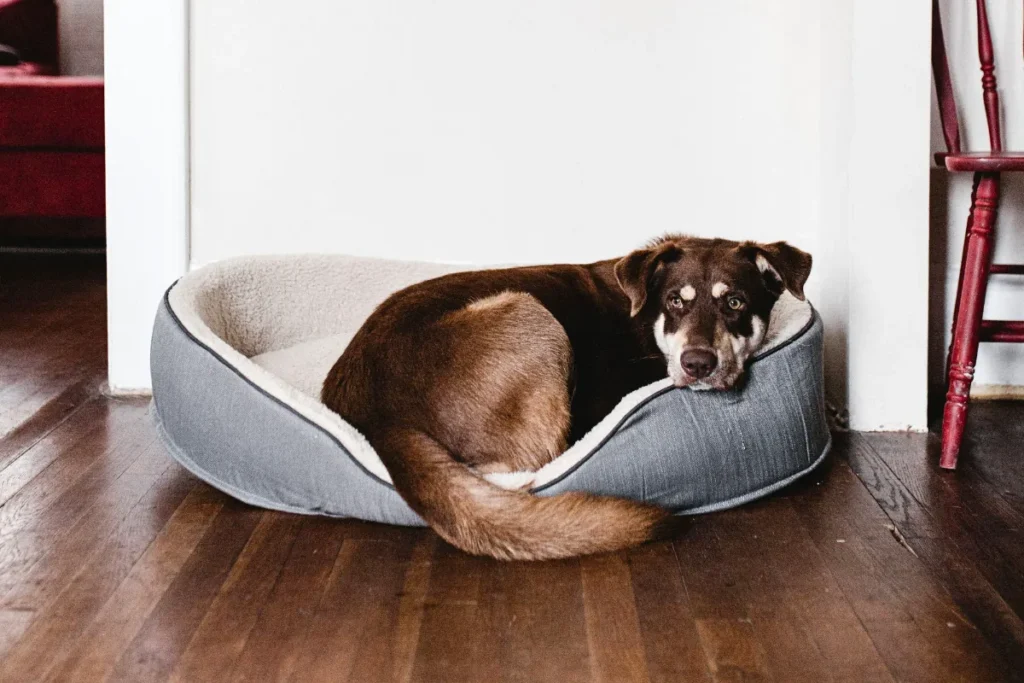
Less clutter also makes the sleep zone feel calmer, and home organization hacks can help keep shelves, baskets, and loose items under control.
Easy-Clean Flooring, Bedding, and Ventilation
The cleanest dog room ideas are built around surfaces that can handle fur, drool, dirt, and the occasional accident. Carpet may feel cozy, but it can trap odors and stains more easily than hard flooring.
Tile, vinyl, sealed wood, and other wipeable floors are usually easier to maintain. Add washable rugs or runners where your dog needs traction, especially near the bed, bowls, or entry path.
Bedding should be easy to remove and wash. A beautiful bed is not very useful if the cover is difficult to clean or takes too long to dry.
Keep a simple cleaning rhythm: vacuum rugs often, wash bed covers weekly or when smelly, wipe bowls daily, keep towels near the entry, and use an enzymatic cleaner for accidents.
A good pet hair vacuum can make hard floors, rugs, and dog-room corners much easier to maintain.
Ventilation matters too. If the dog room is in a laundry room, basement, or under-stairs area, watch for damp smells, poor airflow, and trapped humidity.
Feeding and Cleanup Stations
Smart dog room design ideas often include a feeding station because bowls create daily mess. Water splashes, kibble crumbs, and food storage are easier to manage when they stay in one planned spot.
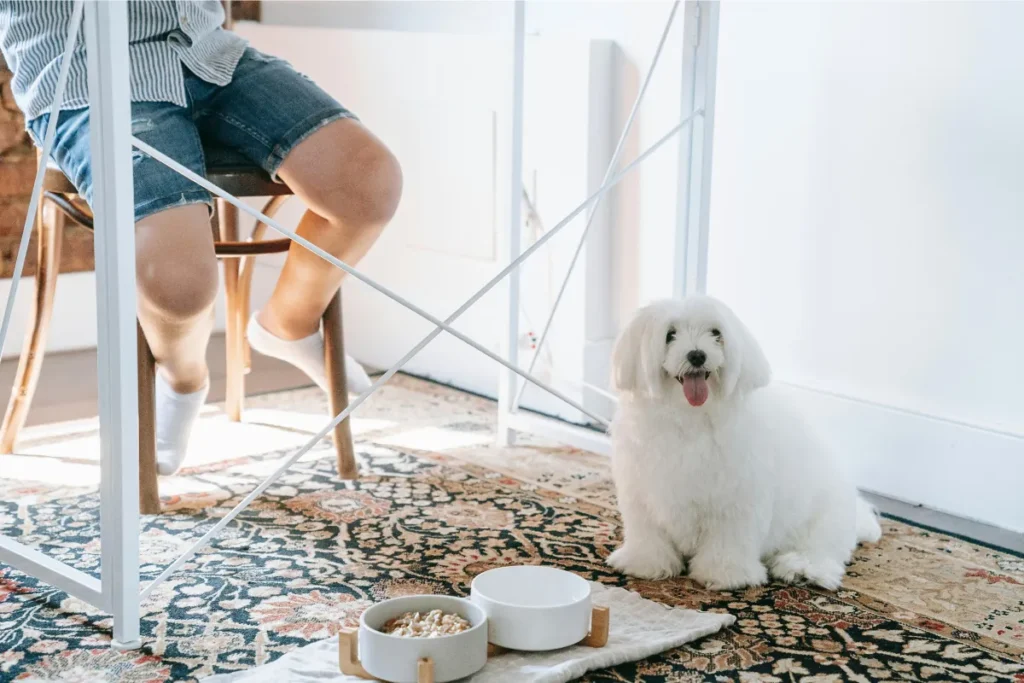
A simple feeding zone can be as basic as two bowls on a washable mat. For a more built-in look, use a low cabinet cubby, pull-out bowl drawer, or tucked-away corner with wipeable flooring underneath.
Choose stainless steel or ceramic bowls because they are sturdy and easy to wash. A raised feeder can help some dogs, but it is not automatically better for every pet, so use what fits your dog’s size and comfort.
If the room is near an exterior door, the best dog room ideas include a small paw-cleaning area for muddy walks. You do not need a full dog shower; even a basket with towels, pet-safe wipes, and a washable mat can catch a lot of dirt before it spreads.
A small cleanup zone also helps control wet dog smell after rain, baths, or muddy walks.
Dog Room Accessories and Storage That Work
The best dog room accessories are the ones that reduce daily clutter. Hooks, bins, baskets, jars, and shelves should make the room easier to use, not just cuter.
Start with wall hooks for leashes, harnesses, raincoats, and towels. This keeps walking gear off the floor and makes the exit routine smoother.
Use labeled bins or baskets for toys, grooming tools, spare bedding, and seasonal gear. If your dog likes to choose toys, keep one open basket low enough to reach and store extras higher up.
Food should go in a sealed container. Treats, medications, and cleaners should be stored separately so daily items do not mix with anything unsafe.
A useful storage setup might include leash hooks, a lidded food bin, a toy basket, towels, a small cleaning caddy, and a folder for vet papers. When every item has a place, the space stays clean with much less effort.
A small cleanup kit is also a smart place to store enzyme cleaners for repeat accidents, as long as they stay out of reach.
Dog Room Decor Ideas That Still Feel Practical
Dog room decor ideas should make the space blend into your home. The room can look warm and stylish without turning into a cluttered theme corner.
Start with a calm color palette that matches nearby rooms. Soft neutrals, warm wood, muted blue, sage, cream, or charcoal can feel cozy without looking childish.
Then add personality in small ways: framed pet art, a name sign, a washable rug, matching baskets, or simple cabinet hardware. One or two details often look better than too many dog-themed pieces.
Keep decor safe and easy to clean. Avoid delicate rugs, low breakables, loose cords, toxic plants, and long blind cords near the dog’s area.
Under-Stairs Dog Room Ideas and Small-Space Layouts
Under-stairs dog room ideas are popular because they turn unused space into something charming and useful. They can work well, but only if the space is open, safe, and comfortable.
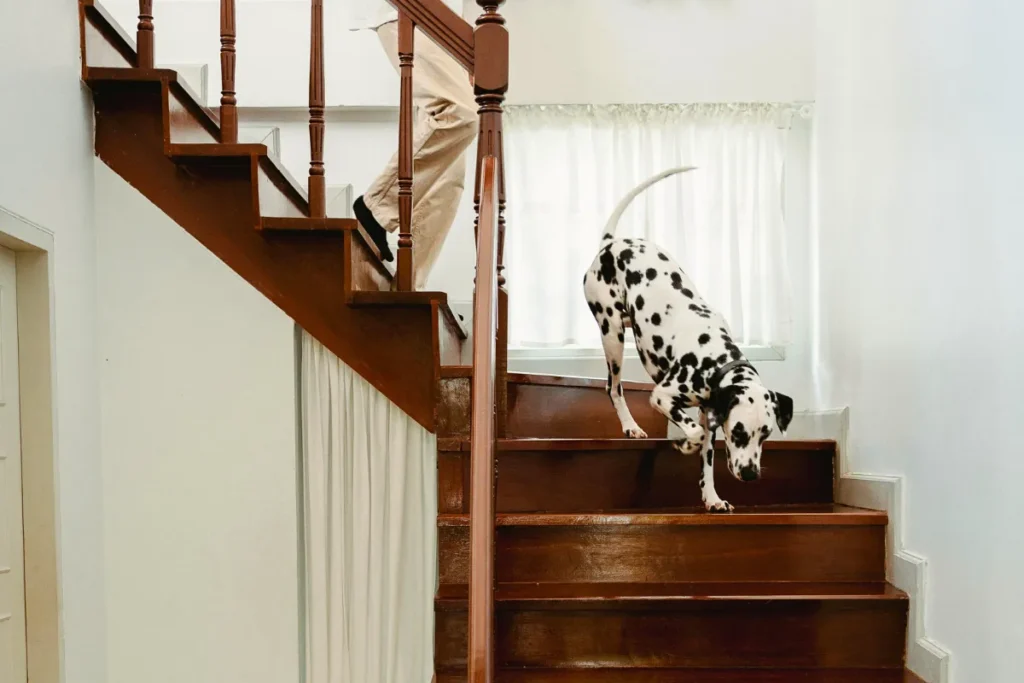
Your dog should be able to walk in easily, turn around, lie down, and leave without feeling trapped. Add ventilation, light, and a soft washable bed.
Use an open front, half door, slatted detail, or mesh-style opening instead of a sealed cavity. A closed, dark space may look cute in photos but feel uncomfortable for daily use.
Good small-space alternatives include a crate side table, a closet nook with the door removed, a built-in bench with a bed below, or a laundry room alcove. Small spaces need more planning, so keep food, water, and cleaners out of the sleeping zone.
For tight corners, small bedroom layout ideas can help you use floor space more carefully.
If you have more than one dog, give each dog a separate bed or rest zone. For senior dogs, use non-slip rugs, low-entry beds, ramps where needed, and clear walking paths.
Frequently Asked Questions
What should be in a dog room?
A good dog room should include a bed or crate, food and water area, toy storage, leash hooks, towels, and basic cleanup supplies. Keep the setup simple enough to maintain every day.
Does a dog room need to be a full room?
No. A dog room can be a mudroom corner, laundry room nook, closet conversion, office corner, or under-stairs space. The layout matters more than the size.
What flooring is best for a dog room?
Wipeable flooring like tile, vinyl, sealed wood, or similar hard surfaces is usually easiest to clean. Add washable rugs or mats for traction and comfort.
How do you keep a dog room from smelling?
Wash bedding regularly, wipe bowls daily, vacuum fur often, and keep damp towels out of the room. Good airflow also helps prevent stale odors from building up.
Are under-stairs dog rooms a good idea?
They can be a good idea if the space is open, ventilated, and large enough for your dog to move comfortably. Avoid turning it into a tight, closed-off space.
How can I make a dog room cozy but still clean?
Use washable bedding, a soft rug, warm lighting, and simple storage. Choose cozy textures that can be washed or wiped down easily.
Final Tips
The best dog room is not the fanciest one. It is the one your dog actually uses and you can keep clean.
Start with dog room ideas that cover the basics: a comfortable bed, washable surfaces, smart storage, and a feeding area that does not create daily mess. Then add decor once the room works.
Conclusion
Dog room ideas work best when comfort and cleanliness are planned together. With the right location, washable materials, smart storage, and a calm sleep zone, you can create a pet space that feels cozy for your dog and easy for you to maintain.