
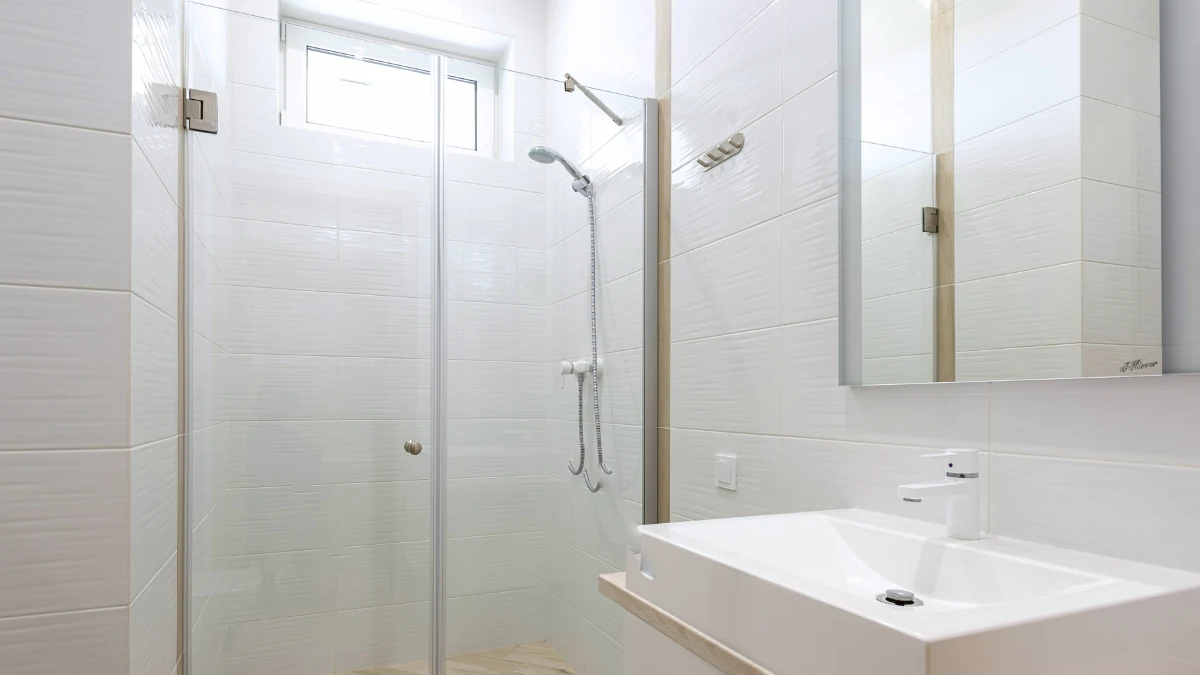
Bathrooms stay damp longer than people think. That leftover moisture is what gives mold a chance to start on grout, caulk, ceilings, and corners.
Learning how to prevent mold in the bathroom is usually not about deep cleaning all the time. It is more about a few small habits that help the room dry faster every day.
Most mold problems come from the same pattern repeating. Steam gets trapped, wet surfaces stay wet, and small damp spots get ignored for too long.
The good news is that simple habits work. Better airflow, faster drying, and less clutter can make the bathroom much easier to manage.
Table of Contents
Why Bathroom Mold Starts
Mold starts when moisture sits on a surface long enough to feed growth. Bathrooms make that easy because they combine steam, warmth, wet fabric, and tight corners that do not always dry well.
In many homes, the problem is not one bad day. It is the same damp cycle happening after every shower.
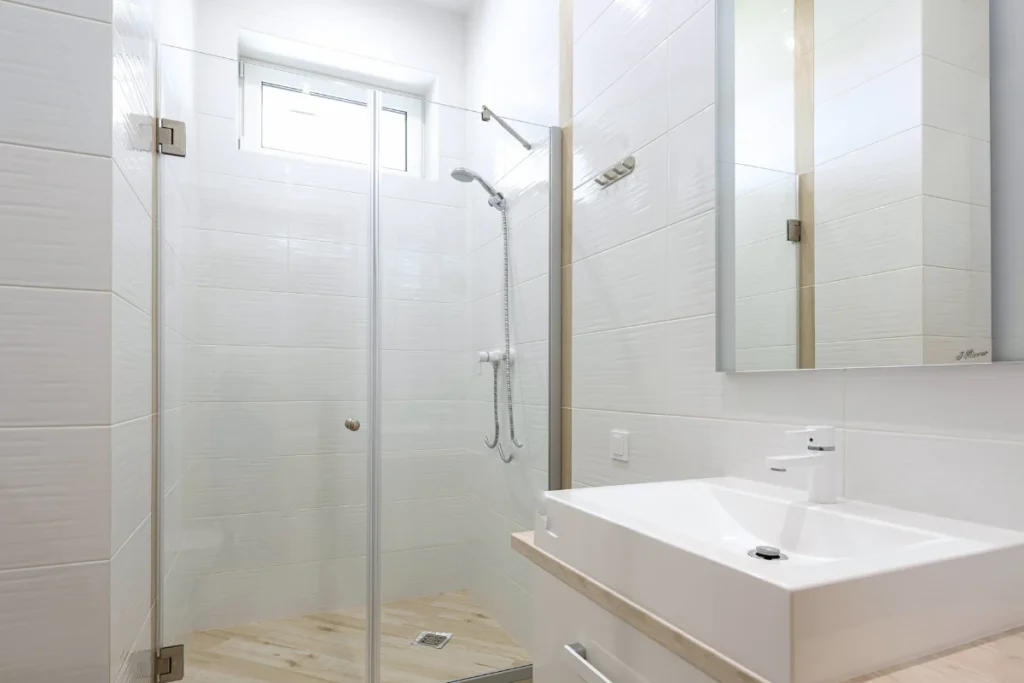
The EPA explains that controlling moisture is the key step for stopping mold growth in the home.
Common reasons mold keeps starting:
- Steam stays trapped too long
- Shower walls and grout stay wet
- Towels and bath mats dry slowly
- Bottles block airflow in corners
- Small leaks go unnoticed
Best Habits to Prevent Mold in the Bathroom (That Fit Real Life)
The best way to prevent mold in the bathroom is to cut down moisture before it lingers. These habits work because they are simple enough to repeat.
1. Run the Fan After Every Shower (Let moisture escape)
A fan moves humid air out instead of letting it settle on walls and ceilings. This is one of the easiest habits to keep.
What to do:
- Turn it on before or at the start of the shower
- Let it run for 20 to 30 minutes after
- Keep the door slightly open if that helps airflow
Best for:
- Small bathrooms
- Bathrooms with no window
- Foggy mirrors that clear slowly
2. Wipe the Wettest Surfaces Fast (One-minute reset)
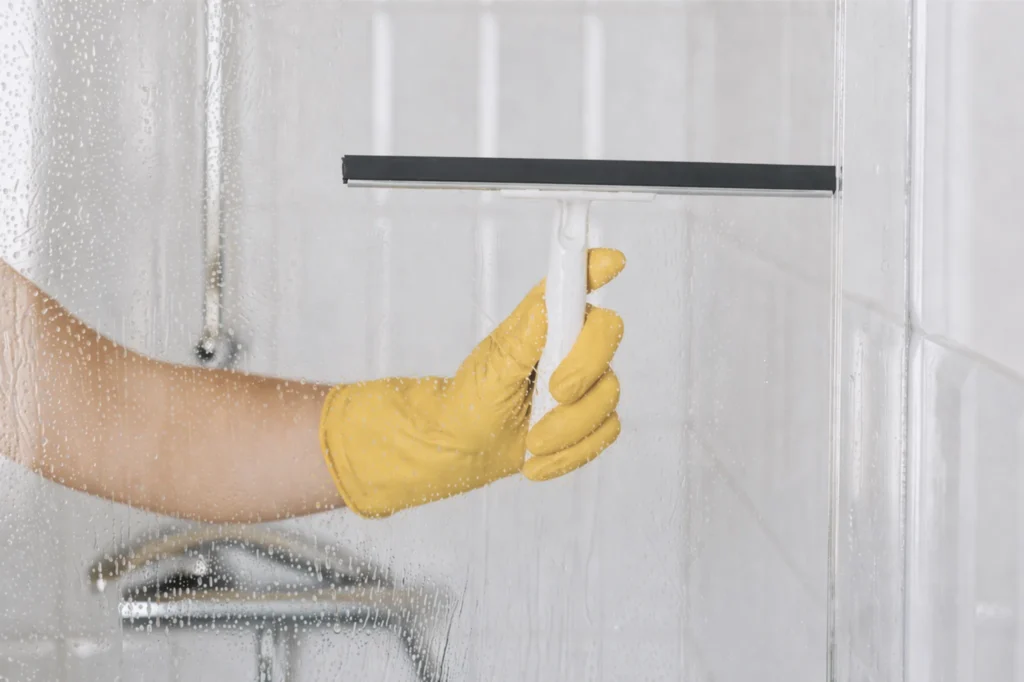
Water left on tile, glass, and metal gives mold more time to grow. A quick wipe removes a lot of that moisture before it settles into grout lines and corners.
What to do:
- Keep a squeegee or cloth near the shower
- Wipe glass, tile, and ledges after use
- Focus on corners and grout lines
Best for:
- Shower walls
- Glass doors
- Bathrooms with recurring spots
If grout still looks dark after the surface dries, cleaning grout safely can help you reset it before buildup gets worse.
3. Spread Towels Out Fully (Help fabric dry faster)
Damp towels add extra moisture back into the room when they stay folded or bunched up. Letting them dry flat makes a real difference.
What to do:
- Hang towels wide instead of doubled over
- Use separate hooks when possible
- Swap out wet bath mats more often
Best for:
- Shared bathrooms
- Family homes
- Rooms with weak airflow
A better towel drying routine can make a big difference when damp fabric keeps adding moisture back into the room.
4. Check Hidden Damp Spots Weekly (Catch it early)
Mold often starts behind products, under the sink, or along old caulk. A quick check helps you catch moisture before it turns into visible growth.
What to do:
- Look behind bottles and trays
- Check under the sink for drips
- Inspect caulk, corners, and the ceiling
Best for:
- Older bathrooms
- Cluttered showers
- Homes with past leak issues
Cleaner under-sink storage makes it much easier to spot small drips before they turn into a bigger moisture problem.
5. Lower Humidity With Small Changes (Make drying easier)
Sometimes the room stays wet because the air has nowhere to go. A simple setup change can help the whole space dry faster.
What to do:
- Open a window after showers when possible
- Use a small dehumidifier in a very damp bathroom
- Keep the shower curtain partly open so folds can dry
Best for:
- Humid climates
- Windowless bathrooms
- Rooms that stay muggy for hours
Lingering post-shower moisture is usually the first thing to fix when the bathroom never seems to dry fully.
What Not to Do (Shortcuts That Backfire)
Some habits make mold more likely even when the bathroom looks clean. Avoiding these mistakes saves work later.
- Do not leave the fan off during short showers
- Do not leave towels in thick folds
- Do not crowd wet corners with bottles
- Do not ignore peeling caulk or tiny leaks
- Do not assume a dry-looking surface is fully dry
A lingering musty bathroom smell often means moisture is still sitting somewhere out of sight.
Advanced Tips to Make This Easier
You do not need more effort. You need less friction so the good habits happen faster.
- Keep a squeegee inside the shower
- Store fewer items on wet ledges
- Set a timer reminder for the fan
- Rotate bath mats so one can dry
- Do your dampness check on the same day each week
A few simple bathroom hacks can make the room easier to dry and easier to keep up over time.
Daily Habits That Keep Bathroom Mold From Coming Back
This is where prevention really happens. The goal is to break the damp cycle before mold gets time to settle in.
- Run the fan after every shower – this helps humid air leave faster
- Wipe the wettest areas – even a fast pass helps
- Spread towels and mats out – faster drying means less damp fabric
- Leave space around products – air moves better when corners are open
- Check for drips right away – stopping the water source matters too
Frequently Asked Questions (FAQ)
How often should I wipe down the shower?
A quick wipe after most showers is enough for many homes. Focus on the wettest spots first.
What if I do not have a bathroom window?
Use the exhaust fan every time and let it run longer after showers. A small dehumidifier can also help.
Do I need to deep clean every week?
Not usually. Daily drying habits do more to prevent mold in the bathroom than frequent heavy cleaning.
What if mold keeps coming back in the same spot?
That usually means moisture is still feeding it. Check for a leak, weak airflow, damaged caulk, or a corner that never dries fully.
Are towels and bath mats really part of the problem?
Yes. Damp fabric keeps extra moisture in the room, especially in small bathrooms.
When does this point to a bigger issue?
If mold returns fast or you notice stains, peeling paint, or a strong musty smell, there may be a hidden leak or ventilation problem.
Final Tips
The easiest way to prevent mold in the bathroom is to stay ahead of moisture in small ways. You do not need a perfect bathroom. You need one that dries faster and stays dry longer.
Start with one or two habits you can keep every day. Once those feel normal, the room becomes much easier to maintain. Even a one-minute reset after each shower can pay off over time.
Conclusion
Prevent mold in the bathroom by focusing on airflow, quick drying, and catching damp spots early. Small daily habits do more than occasional big cleanups, and they are much easier to keep up with.