
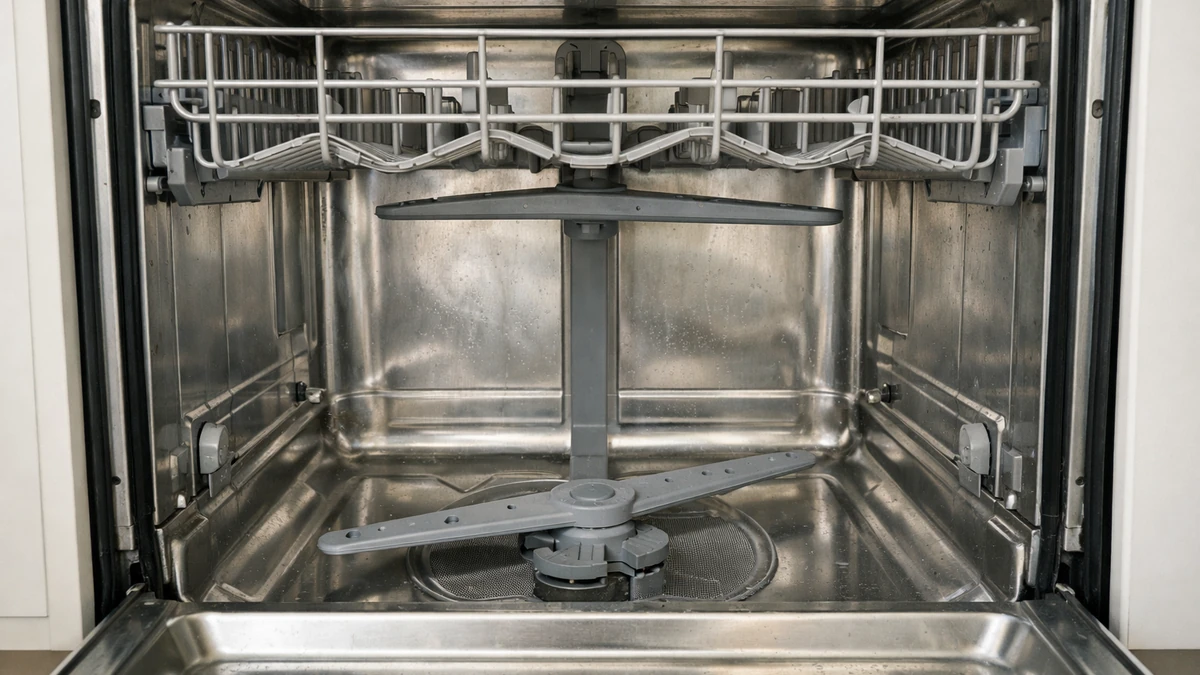
A dishwasher that leaves spots, food bits, or cloudy residue is frustrating. Many people do not realize the problem often starts inside the spray arms. Learning how to clean dishwasher spray arms helps your dishwasher wash better and keeps dishes truly clean.
Spray arms push water through small holes at high pressure. Over time, those holes clog with food particles, grease, and mineral buildup. When water cannot spray freely, cleaning performance drops fast.
This issue builds slowly, so it is easy to miss. Dishes may look mostly clean but still feel gritty or dull. Glasses often show the problem first.
Fortunately, this is a simple home fix. You do not need special tools or harsh chemicals to handle it.
With the right steps, you can restore strong water flow and extend the life of your dishwasher. Gentle cleaning methods work well when done correctly and regularly.
Table of Contents
What Causes Clogged Dishwasher Spray Arms?
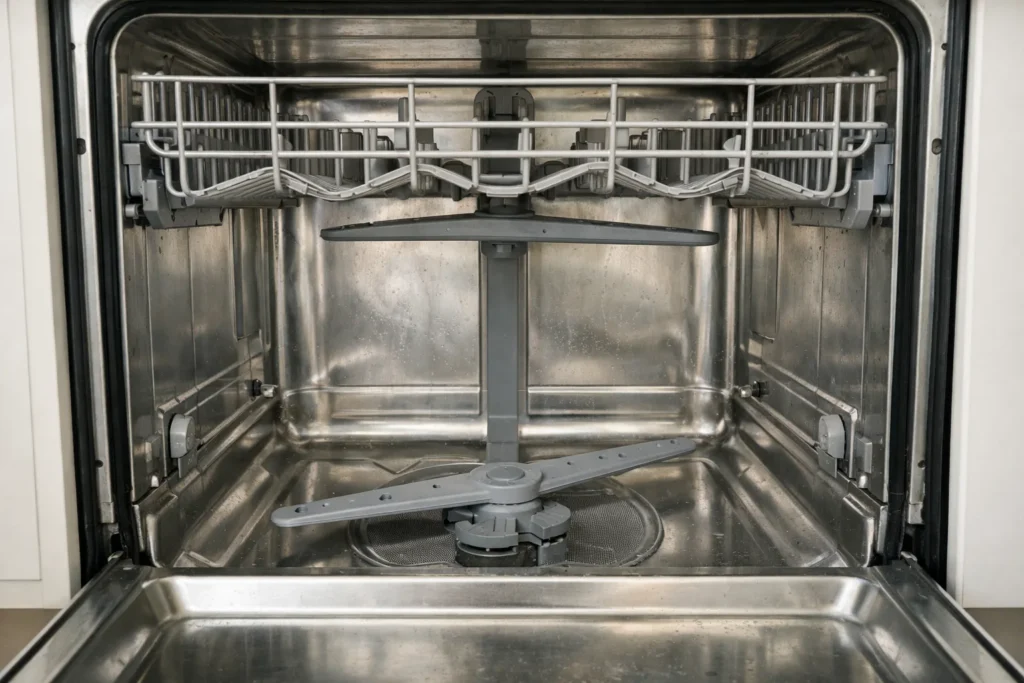
Clogged dishwasher spray arms develop from everyday kitchen habits. Tiny particles collect slowly until water flow is reduced.
Skipping regular care often leads to repeated clogs and disappointing cleaning results. Knowing how to clean dishwasher spray arms helps prevent these issues before they start.
The most common causes include:
- Food debris left on plates
- Grease residue from cooking oils
- Hard water mineral buildup
- Detergent residue inside spray holes
Even small amounts of buildup can block spray holes over time. Warm water helps dissolve grease, but it also allows residue to stick inside narrow openings.
The U.S. Geological Survey (USGS) notes that minerals in hard water can leave deposits inside appliances, gradually reducing their performance.
Hard water residue can affect more than a dishwasher, so it helps to keep your coffee maker clean too.
When spray arms cannot spin freely or spray evenly, dishes do not get fully cleaned.
How to Clean Dishwasher Spray Arms (Simple Home Methods)
Knowing how to clean dishwasher spray arms properly restores water pressure and improves overall dishwashing results.
Below are safe and effective ways to clean spray arms using items most homes already have. Start with the gentlest option and move up only if needed.
1. Warm Water Rinse (Quick Maintenance)
This method clears loose debris before buildup hardens.
How to use it:
- Remove the lower and upper spray arms if possible
- Rinse under warm running water
- Rotate the arms to flush out loose particles
Best for:
- Light buildup
- Routine maintenance
2. Toothpick or Wooden Skewer (Targeted Cleaning)
Small holes often trap debris that water alone cannot remove.
How to use it:
- Use a wooden toothpick or skewer
- Gently push debris out of each spray hole
- Rinse thoroughly afterward
Best for:
- Visible food particles
- Partially blocked holes
3. White Vinegar Soak (Natural Deep Clean)
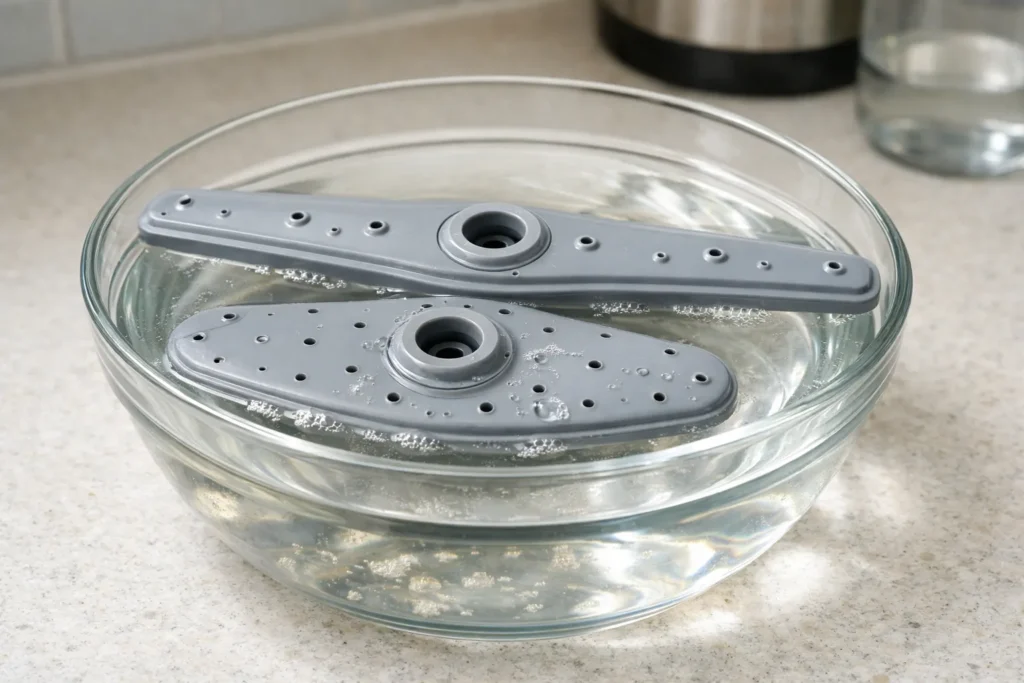
Vinegar breaks down mineral and grease buildup safely.
How to use it:
- Place spray arms in a bowl
- Cover with warm white vinegar
- Soak for 30 to 60 minutes
- Rinse well with warm water
Best for:
- Hard water residue
- Cloudy or weak spray patterns
4. Baking Soda Boost (Stubborn Odors and Film)
Baking soda helps loosen greasy residue and odors.
How to use it:
- After vinegar soaking, sprinkle baking soda on arms
- Gently scrub with a soft toothbrush
- Rinse completely
Best for:
- Greasy buildup
- Spray arms with odor
5. Soft Brush Scrub (Detailed Cleaning)
A soft brush reaches corners without scratching plastic.
How to use it:
- Dip a soft toothbrush in warm soapy water
- Scrub around spray holes and joints
- Rinse thoroughly
Best for:
- Sticky residue
- Heavily used dishwashers
6. Dishwasher-Safe Cleaner (Last Option)
Commercial cleaners can help when natural methods fall short.
How to use it:
- Choose a dishwasher-safe cleaner
- Follow label instructions exactly
- Rinse spray arms well before reinstalling
Best for:
- Heavy mineral buildup
- Long-neglected machines
Kitchen odors often build in more than one place, so it also helps to deal with bad fridge smells before they spread.
What NOT to Do (Before You Start)
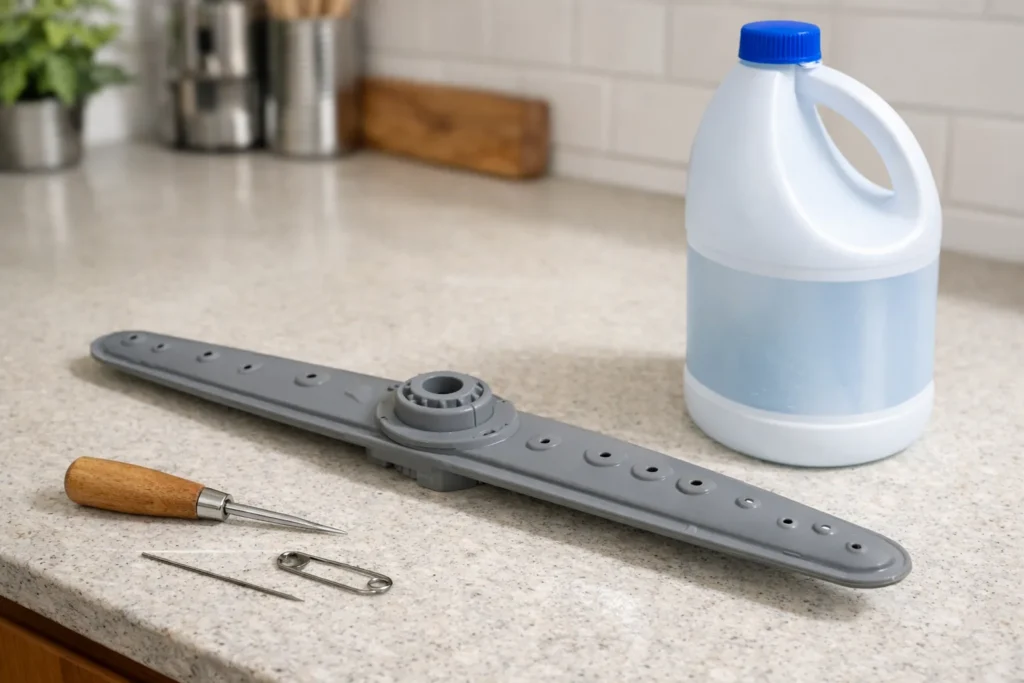
Avoid common mistakes that can damage spray arms or reduce dishwasher life.
- Do not use metal pins or needles. These can enlarge holes and reduce water pressure.
- Do not scrub with steel wool or rough pads. This scratches plastic surfaces.
- Do not use bleach or harsh chemicals. They can weaken plastic over time.
- Do not force spray arms off. Check the manual if unsure how they detach.
- Do not reinstall spray arms while debris is still trapped inside. Residue will spread again.
Gentle methods work best and protect the dishwasher.
The same gentler approach also works well when you clean a microwave without using harsh products.
Advanced Tips to Make Cleaning Easier
These small habits make spray arm cleaning faster and more effective.
- Clean spray arms before buildup hardens. Fresh residue is easier to remove.
- Use two rinses. One to flush debris and one final rinse to clear vinegar.
- Spin the arms by hand after reinstalling. They should move freely.
- Clean filters first. Dirty filters send debris back into spray arms.
- Let vinegar soak longer for hard water areas. Time matters more than scrubbing.
Lingering sink odors can also point to disposal buildup, so it may help to clean that next.
How to Keep Dishwasher Spray Arms From Clogging Again
Regular maintenance and knowing how to clean dishwasher spray arms help prevent clogs from forming again.
- Scrape plates before loading to reduce food debris
- Rinse greasy items lightly before washing
- Run a vinegar cycle monthly to reduce mineral buildup
- Clean the dishwasher filter regularly
- Avoid overloading the dishwasher
- Use the right amount of detergent
- Check spray holes every few weeks
A quick wipe-down around the sink fits well here too, especially if you already clean your stainless steel sink as part of the same routine.
Frequently Asked Questions (FAQ)
How often should I clean dishwasher spray arms?
Every 1 to 3 months works well for most homes. Hard water areas may need more frequent cleaning.
Is vinegar safe for dishwasher spray arms?
Yes, white vinegar is safe for plastic and effective against mineral buildup.
Do I need to remove the spray arms?
Removal allows deeper cleaning, but surface rinsing still helps if removal is difficult.
Can clogged spray arms cause cloudy dishes?
Yes, poor water flow leads to detergent residue and spotting.
Should I clean spray arms if my dishwasher smells bad?
Yes, trapped food inside spray arms can cause odors.
What if the spray arms still do not spin?
Check for hidden debris, damaged holes, or obstructions below the racks.
Are commercial cleaners better than natural methods?
Natural methods work well for regular care. Commercial cleaners help with heavy buildup.
Final Tips
Regular care keeps dishwashers working like new. Start with gentle methods before reaching for stronger cleaners.
Check spray arms during routine dishwasher cleaning. A few minutes of maintenance saves time and energy later.
Pair cleaning with prevention habits for the best results.
For more low-effort upkeep around the kitchen, the kitchen cleaning guide brings together simple routines for appliances, sinks, and everyday messes.
Conclusion
Clogged spray arms are a common but fixable problem in many homes. This simple maintenance task fits easily into a regular kitchen cleaning routine. With simple tools and natural cleaners, anyone can restore proper water flow and cleaning power. Learning how to clean dishwasher spray arms keeps dishes spotless, reduces odors, and helps your dishwasher last longer with less effort.