
A sewer smell in the bathroom can make a clean space feel dirty. If it shows up out of nowhere, learning how to get rid of bathroom sewer smell starts with a few quick checks.
Most of the time, the odor comes from one drain or the toilet, not the house. To get rid of bathroom sewer smell for good, find the source and restore the seal that blocks sewer gas.
Sometimes the odor is strongest after a shower or a flush. That timing matters because it points to the failing drain or seal.
This guide follows a checklist: diagnose, confirm, then fix. You will also learn what not to do and how to prevent the smell from returning.
Table of Contents
What Causes Sewer Smell in the Bathroom?
Bathroom plumbing uses water and seals to block sewer gases. When one fails, odor can leak into the room.
In many homes, you can get rid of bathroom sewer smell by refilling a trap or fixing a small leak at the toilet base.
Common causes include:
- A dry P-trap in a sink, shower, tub, or floor drain
- Slime and buildup inside the drain (biofilm)
- A loose toilet seal or tiny leak at the base
- Poor venting that siphons water from the trap
- A cracked pipe, loose fitting, or failing gasket under the sink
EPA notes that if a drain trap dries out and loses its water seal, sewer gas can enter indoor spaces.
A damp or musty odor may point to bathroom mold smell, not a sewer gas issue.
Methods to Get Rid of Bathroom Sewer Smell (Find the Source Before Calling a Pro)
This checklist is often the fastest way to get rid of bathroom sewer smell without guessing. Start with the simplest check.
1. Pinpoint the Source With a Cover Test (Stop guessing in minutes)
Isolate the source first so you do not clean the wrong spot. It takes minutes.
Do this:
- Turn the fan off, close the door, and wait 5 minutes.
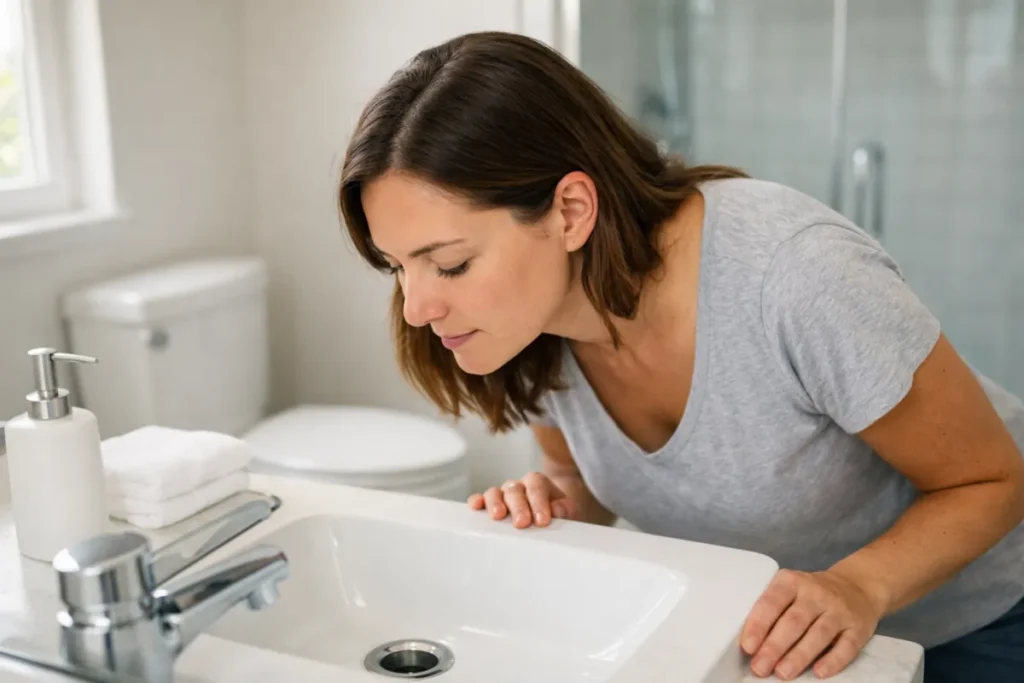
- Cover and uncover each drain, then sniff right at the opening.
What to look for:
- The smell spikes right at one drain.
- The odor is strongest at the toilet base.
Best for:
- Smells that come and go
- Bathrooms with multiple drains
When the odor seems to move around, a wider home odor check can help before you deep-clean every drain.
2. Refill a Dry P-Trap (Restore the water seal)
A dry trap is one of the most common reasons for bad odors. Refilling it can help you get rid of bathroom sewer smell in minutes.
Do this:
- Run the sink for 30-60 seconds.
- Run the shower or tub for 1-2 minutes.
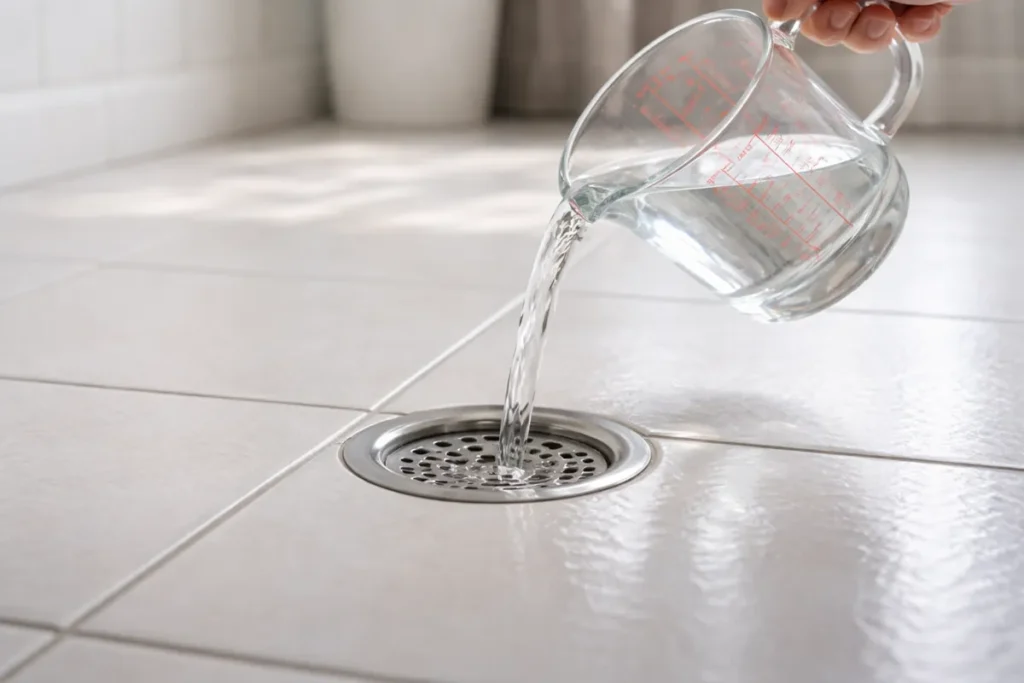
- Pour 2-4 cups of water into a floor drain.
What to look for:
- The smell improves within 15-30 minutes.
- The odor returns after days of no use.
Best for:
- Guest bathrooms
- Floor drains and basement baths
3. Brush the Drain and Overflow (Remove hidden gunk)
When the trap is full but the drain still stinks, buildup is often the issue. It is very common.
Do this:
- Remove the stopper or hair catcher.
- Brush the drain opening and sink overflow with soapy water.
- Rinse with hot tap water for 30 seconds.
What to look for:
- A sour smell right at the drain opening.
- Dark slime on the brush or stopper.
Best for:
- Daily-use bathrooms
- Drains that smell after showers
Shower corners can also hold tile and grout buildup after the drain is clean.
4. Check the Toilet Base and Seal (Catch leaks early)
A toilet should feel solid and dry at the base. If it rocks, odor can leak out.
Do this:
- Gently rock the toilet and check for movement.
- Look for moisture or staining around the base.
- Sniff behind the toilet, then call a plumber if it stinks.
What to look for:
- Odor is strongest at the base, not at a drain.
- Dampness or staining that keeps returning.
Best for:
- Odors that stay near the toilet
- Bathrooms with older toilets
If the odor is sharper on the floor around the toilet, check for bathroom floor urine smell before assuming it is sewer gas.
5. Check Venting Clues and Escalate Wisely (Know when to call)
If basic fixes do not last, venting may be involved. A plumber can confirm vents and spot hidden leaks.
Do this:
- Listen for gurgling after flushing or as the sink drains.
- Look under the sink for an air admittance valve (AAV) and check whether it smells or looks loose.
- If several drains smell or gurgle, schedule a plumbing inspection.
What to look for:
- Gurgling plus odor that returns quickly.
- Strong odor in more than one bathroom.
Best for:
- Smells paired with noises
- Odors that keep returning
What NOT to Do (Avoid Pipe Damage While Testing Fixes)
Avoid shortcuts that hide odors and loosen seals.
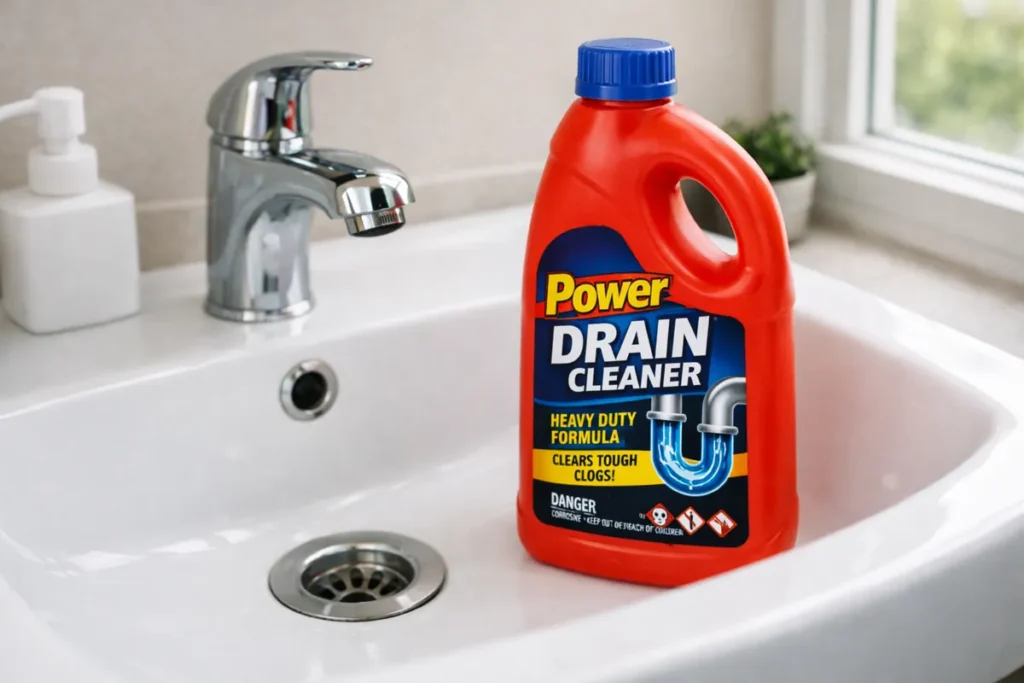
- Do not keep pouring chemical drain cleaners – they can damage pipes and miss the cause.
- Do not caulk around the toilet base – you can hide a leak and rot the subfloor.
- Do not ignore a rocking toilet or damp flooring – small leaks can spread fast.
- Do not rely on sprays alone – masking delays the real fix.
Advanced Tips to Make Troubleshooting Easier
Use small clues to narrow the source faster. A simple checklist keeps you from repeating steps.
- Check timing: after showers, after flushing, or only in the morning.
- Turn the fan off for short tests, then run it again.
- Take a photo under the sink before you adjust anything.
- Keep a small drain brush nearby for quick scrubs.
How to Prevent Sewer Smell in the Bathroom From Returning
These habits keep the water seal in place.
- Run water in every drain weekly. This keeps traps from drying out.
- Clean stoppers and hair catchers often. Less gunk means less odor.
- Brush slow drains early. Waiting lets film thicken.
- Keep the toilet stable and base dry. Movement warns of seal issues.
- Add water to floor drains monthly. They can dry out quietly.
If the toilet itself still smells after the base checks out, a quick toilet tank cleaning can rule out hidden buildup.
Frequently Asked Questions (FAQ)
How fast should the smell improve?
A dry trap can improve within minutes after you run water. Biofilm cleanup may take one deep scrub and a day.
How do I know if it is the toilet and not the drain?
Drain odors are strongest right at the drain opening. Seal issues smell strongest at the toilet base, especially behind the bowl.
Can a bathroom sink overflow cause a sewer smell?
Yes, overflow channels can hold gunk that smells when water runs. Brushing the overflow hole can make a big difference.
Should I use boiling water down bathroom drains?
Hot tap water is usually enough for rinsing. Boiling water can stress some plastic parts and is not worth the risk.
What if it still smells after I do the checklist?
At that point, the best next step for how to get rid of bathroom sewer smell may be a vent or pipe inspection. Share what you tested so the plumber can work faster.
When should I call a plumber right away?
Call if the toilet rocks, you see damp flooring, or several drains gurgle together. Those clues can signal a bigger plumbing issue.
Final Tips
Start by isolating the source, then fix the lowest-risk issue first. If you want to get rid of bathroom sewer smell and keep it gone, keep traps full and brush drain openings before buildup thickens.
Treat a rocking toilet as a warning sign, not a minor annoyance. If basic fixes do not last, venting or a seal problem is a strong suspect.
For smells that are not clearly coming from one drain, the odor removal guide can help you compare other common bathroom and home odor problems.
Conclusion
A sewer smell is usually a sign that a seal is missing somewhere. With a calm checklist, you can get rid of bathroom sewer smell and keep your bathroom feeling normal again.