
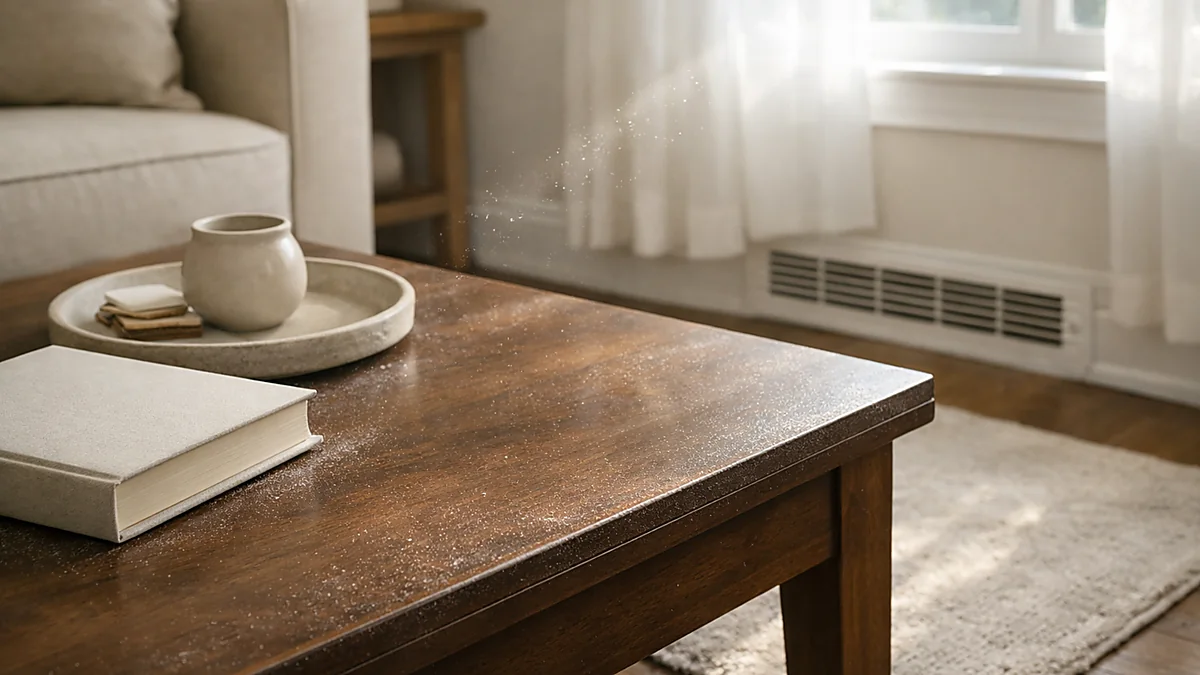
A dusty home can feel uncomfortable fast, even when you clean often. Learning how to keep your home dust free longer helps your space look cleaner, smell fresher, and feel healthier day to day.
Daily life plays a big role. Open windows, pets, fabrics, and regular foot traffic all add to the problem.
Dust also affects air quality. It can trigger allergies, make rooms feel stuffy, and leave surfaces looking dull.
Staying on top of dust does not require deep cleaning every day. A few small habits and a simple routine are usually enough to keep surfaces cleaner for longer.
While you build a simple routine, quick freshening tricks can help the home feel cleaner right away.
Table of Contents
What Causes Dust Buildup in the Home?
Dust forms from a mix of indoor and outdoor sources. Tiny particles settle on surfaces every day, even when a home looks clean.
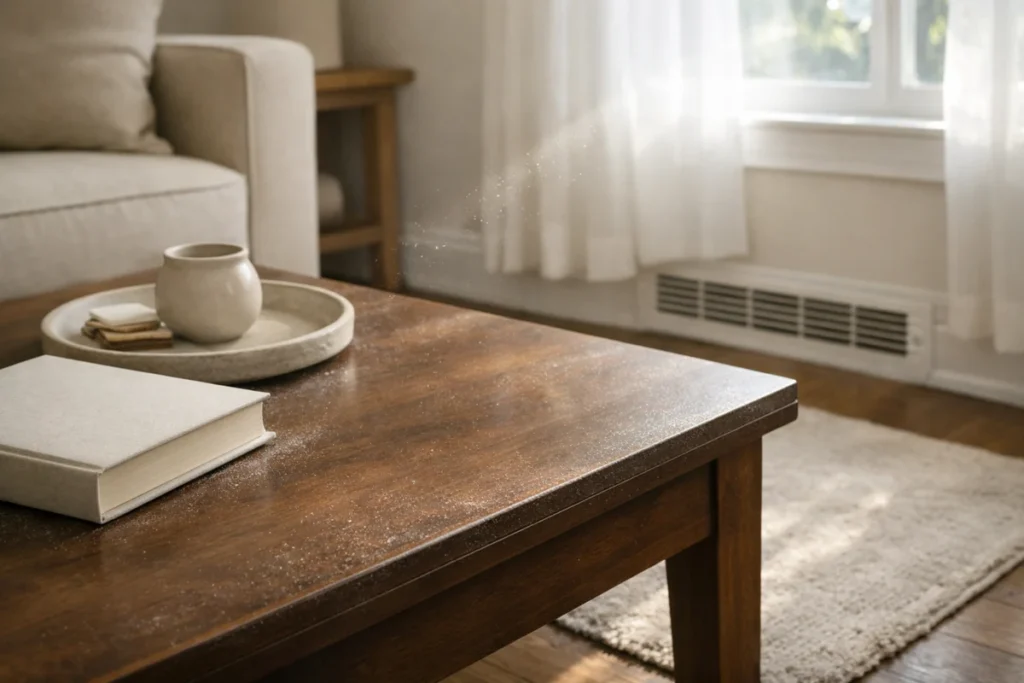
Common causes include:
- Fabric fibers from clothing, rugs, and furniture
- Pet hair and dander
- Outdoor dirt tracked in on shoes
- Skin cells and household debris
MedlinePlus notes that dust mites can trigger allergies, and house dust may also include pollen, mold, and fabric fibers.
Dust often builds up faster in homes with mixed materials. Carpets, upholstered furniture, and layered decor hold particles longer than hard surfaces.
When these items are not cleaned regularly, dust gets stirred up again each time someone walks by, sits down, or fluffs pillows.
For longer-term freshness, natural deodorizing methods can help keep the whole house smelling cleaner between resets.
How to Keep Your Home Dust Free Longer (Easy Maintenance Methods)
Keeping dust away longer works best when methods are combined. One step helps, but a few small actions working together reduce how fast dust returns.
These methods support how to keep your home dust free longer without turning cleaning into an all-day project.
1. Microfiber Dusting (Best Everyday Method)
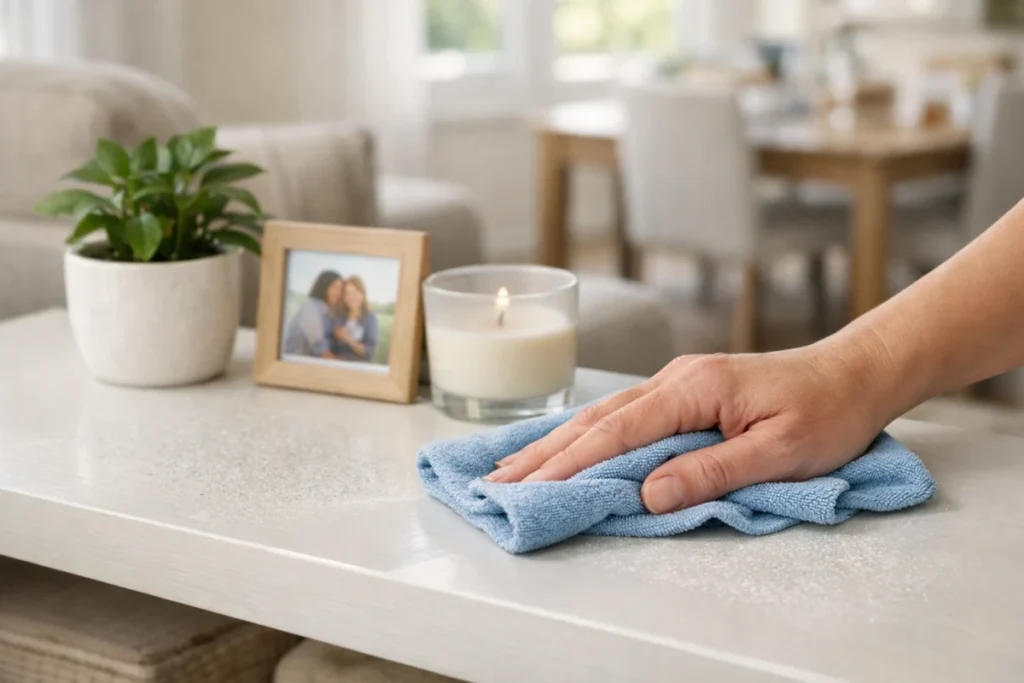
Microfiber cloths trap dust instead of pushing it around. They hold particles until you rinse them out.
How to use it:
- Use a dry microfiber cloth for light dust.
- Fold the cloth to use clean sides as you go.
- Rinse and air-dry cloths after each room.
Best for:
- Shelves and furniture
- Electronics and screens
- Quick daily touch-ups
2. Vacuum With a HEPA Filter (Longer-Lasting Results)
HEPA filters capture fine dust that regular vacuums can release back into the air. This helps dust stay gone longer.
How to use it:
- Vacuum floors, rugs, and upholstery.
- Use attachments for baseboards and corners.
- Empty the bin outside if possible.
Best for:
- Homes with pets
- Allergy-sensitive households
- Carpets and fabric furniture
If the couch is part of the problem, removing pet hair from a couch helps cut down the dust that keeps coming back.
3. Damp Dusting Surfaces (Prevents Resettling)
A slightly damp cloth grabs dust and keeps it from floating back into the air. It also removes the thin film that can build up on surfaces.
How to use it:
- Lightly dampen a microfiber cloth with water.
- Wipe surfaces gently without soaking them.
- Dry with a clean cloth if the surface is sensitive.
Best for:
- Wood furniture
- Window sills
- Flat surfaces that collect dust fast
4. Wash Soft Furnishings Regularly (Hidden Dust Control)
Curtains, throw blankets, and pillow covers hold a surprising amount of dust. Cleaning them reduces dust in the whole room.
How to use it:
- Wash washable fabrics every few weeks.
- Vacuum curtains if washing is not possible.
- Rotate decorative pillows and shake them outdoors.
Best for:
- Living rooms and bedrooms
- Homes with open windows
- Seasonal dust control
5. Control Airflow and Ventilation (Reduces Incoming Dust)
Airflow affects how much dust enters and how much gets circulated. Filters and smart ventilation reduce how quickly dust returns.
How to use it:
- Change HVAC filters every 1-3 months.
- Keep windows closed on windy, dry days.
- Use exhaust fans when cooking and showering.
Best for:
- Urban or high-traffic areas
- Homes near roads
- Open-plan layouts
Damp pet odor can make a clean home feel stale. Getting rid of wet dog smell helps the whole house feel fresher while you work on dust.
6. Create a Simple Weekly Reset (Keeps Dust Away Longer)
A short weekly routine prevents heavy buildup. This is one of the easiest ways to practice how to keep your home dust free longer without adding more work.
How to use it:
- Dust main surfaces once a week.
- Vacuum high-traffic areas and entryways.
- Shake out doormats and small rugs.
Best for:
- Busy households
- Small apartments
- Preventive maintenance
What NOT to Do (For Lasting Results)
Some common cleaning habits can actually make dust worse or damage surfaces over time. Knowing what to avoid helps your cleaning efforts last longer and keeps your home in better shape.
- Do not dry dust with paper towels. They tend to push dust into the air and can scratch surfaces.
- Do not skip fabric items. Curtains, cushions, and throws collect dust quietly and release it when moved.
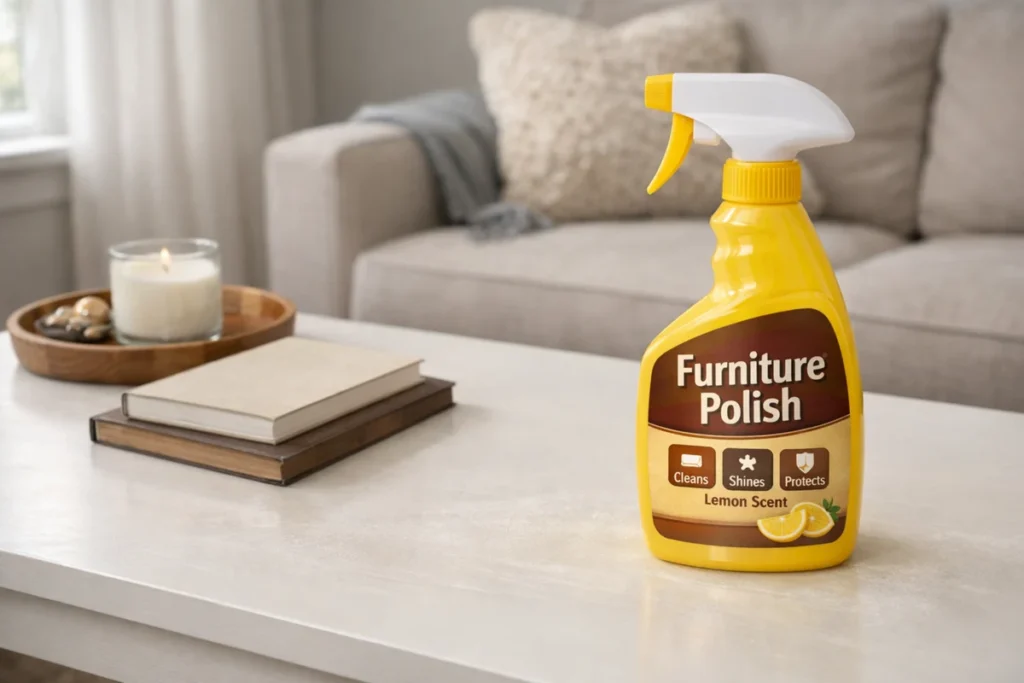
- Do not overuse spray polish. Many products leave a residue that attracts more dust later.
- Do not vacuum with poor filtration. Weak filters can blow fine particles back into the room.
- Do not mix cleaners like bleach and vinegar. Mixing products can create dangerous fumes.
If pets are on the couch or beds, a simple pet odor routine helps stop smells from soaking into fabrics.
Advanced Tips to Make Cleaning Easier
- Work from top to bottom when dusting. Dust falls downward, so this prevents re-cleaning the same areas.
- Let dusting cloths do the work. Pressing too hard spreads particles instead of trapping them.
- Dust before vacuuming. This allows fallen dust to be picked up from floors and rugs.
- Keep a small microfiber cloth handy. Quick wipes stop buildup before it spreads.
- Pay attention to overlooked areas like fan blades, door frames, and vents. Cleaning these spots every few weeks keeps old dust from drifting back into the room.
How to Keep Dust Buildup From Returning
- Remove shoes at the door to limit outdoor dirt.
- Use doormats inside and outside entrances to catch grit early.
- Wash bedding weekly to reduce fabric dust and buildup.
- Groom pets often to reduce hair and dander on floors and furniture.
- Replace HVAC filters on schedule so dust stays trapped.
- Store unused items in closed bins to cut down on dust on open shelves.
Shoes bring in more dust than most people think. Cleaning white sneakers helps cut down what ends up on your floors.
Frequently Asked Questions (FAQ)
How often should I dust my home?
Light dusting once a week works for most homes. High-traffic rooms may need quick touch-ups every few days.
Is dry or damp dusting better?
Damp dusting usually traps dust better. It also helps prevent dust from floating back into the air.
Do air purifiers help with dust?
Yes, especially models with HEPA filters. They can reduce airborne dust between cleanings.
Can dust damage furniture?
Over time, dust can scratch surfaces and dull finishes, especially on wood and glossy materials. Regular gentle wiping helps protect them.
Does opening windows increase dust?
It can, especially on windy or dry days. If you love fresh air, try opening windows for shorter periods and use good entry mats.
Does humidity affect dust buildup?
Yes. Very dry air lets dust float and settle faster, while moderate humidity can help particles fall and stay trapped instead of drifting around.
Final Tips
Start with gentle methods and stay consistent. Small actions done regularly work better than occasional deep cleaning.
Use tools that trap dust instead of spreading it. Microfiber cloths and a well-filtered vacuum make a noticeable difference.
Focus on prevention as much as cleaning. When less dust comes in, your results last longer.
If you want the biggest payoff, build a simple routine you can repeat. That steady rhythm is the key to how to keep your home dust free longer.
Conclusion
A cleaner home does not require constant effort. Simple routines, smart tools, and prevention habits can keep dust from taking over.
By applying practical steps and avoiding common mistakes, how to keep your home dust free longer becomes part of everyday home care, and your space stays fresher with less work.